Free shipping to Spain on orders over €100
Spain: Free shipping on orders over €100 | Europe: Free shipping on orders over €150


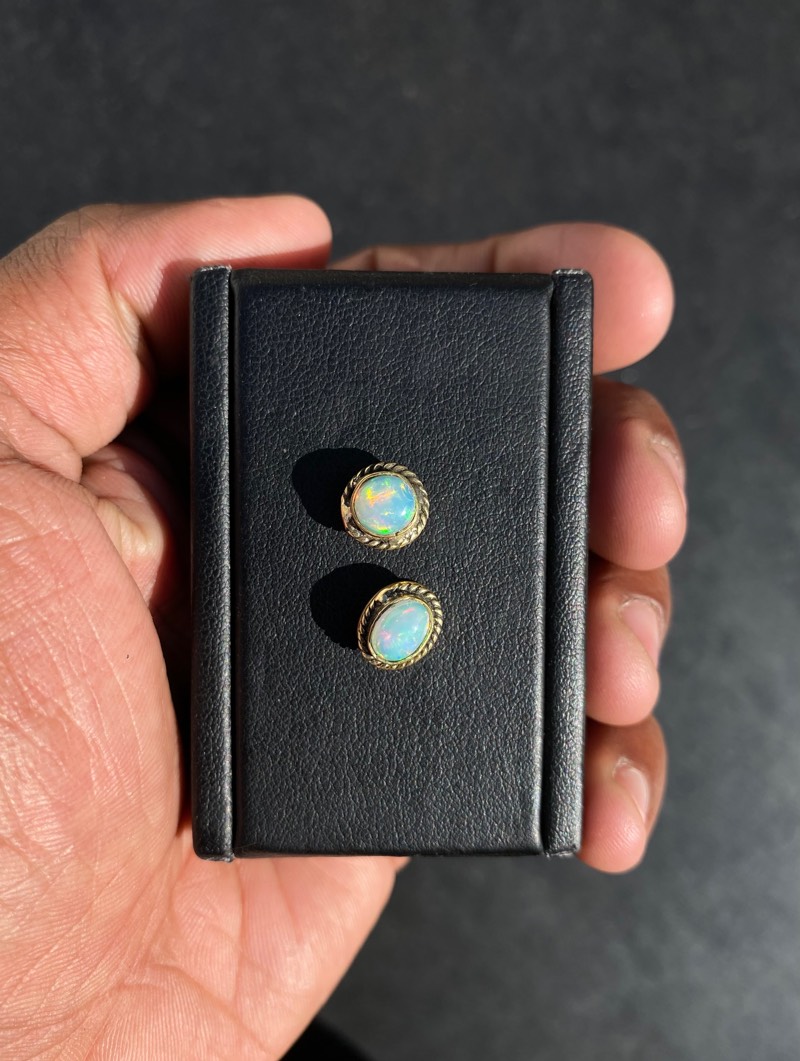
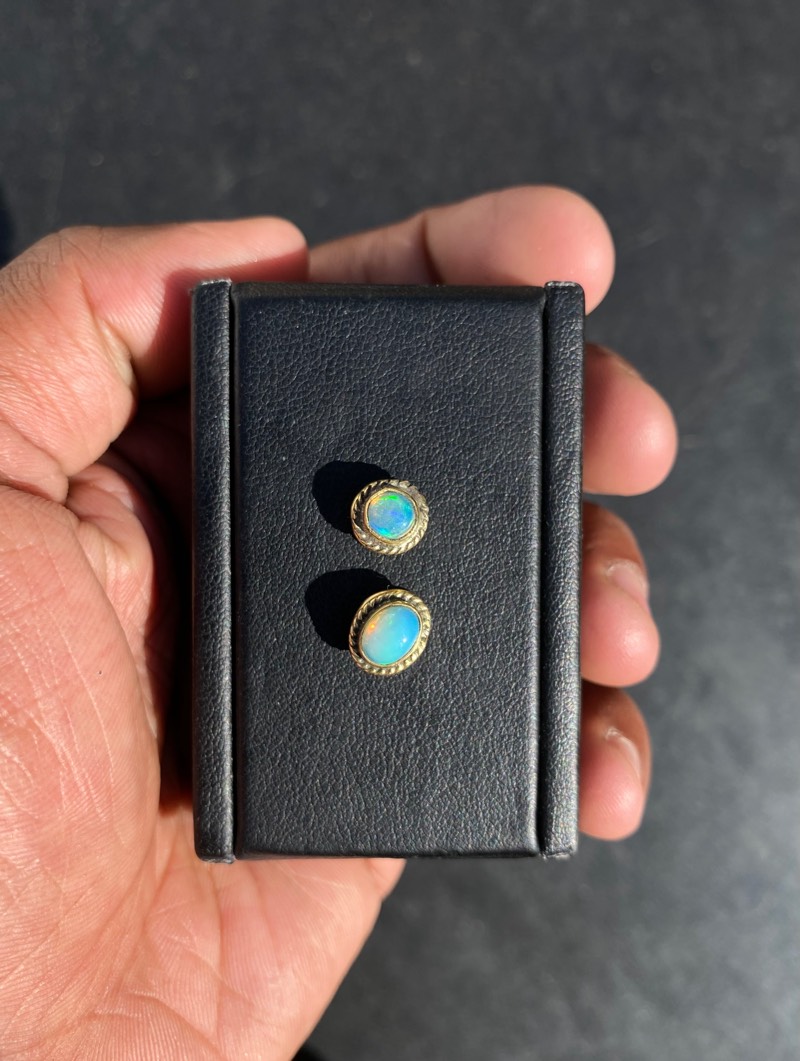
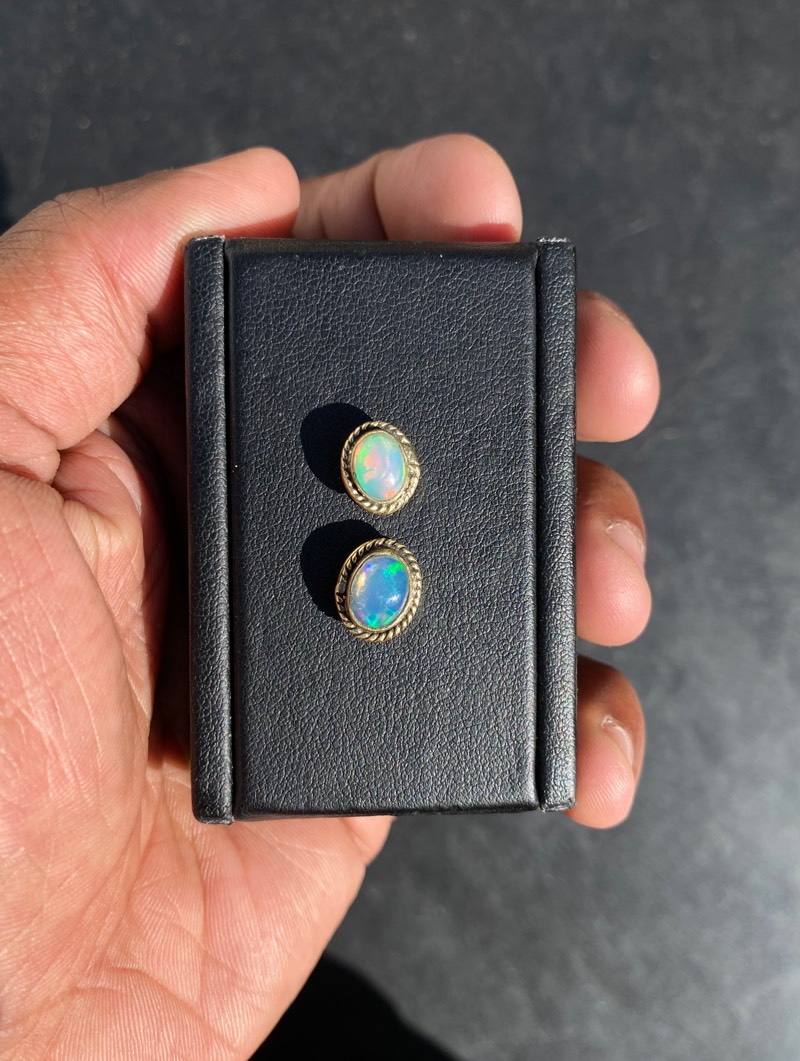

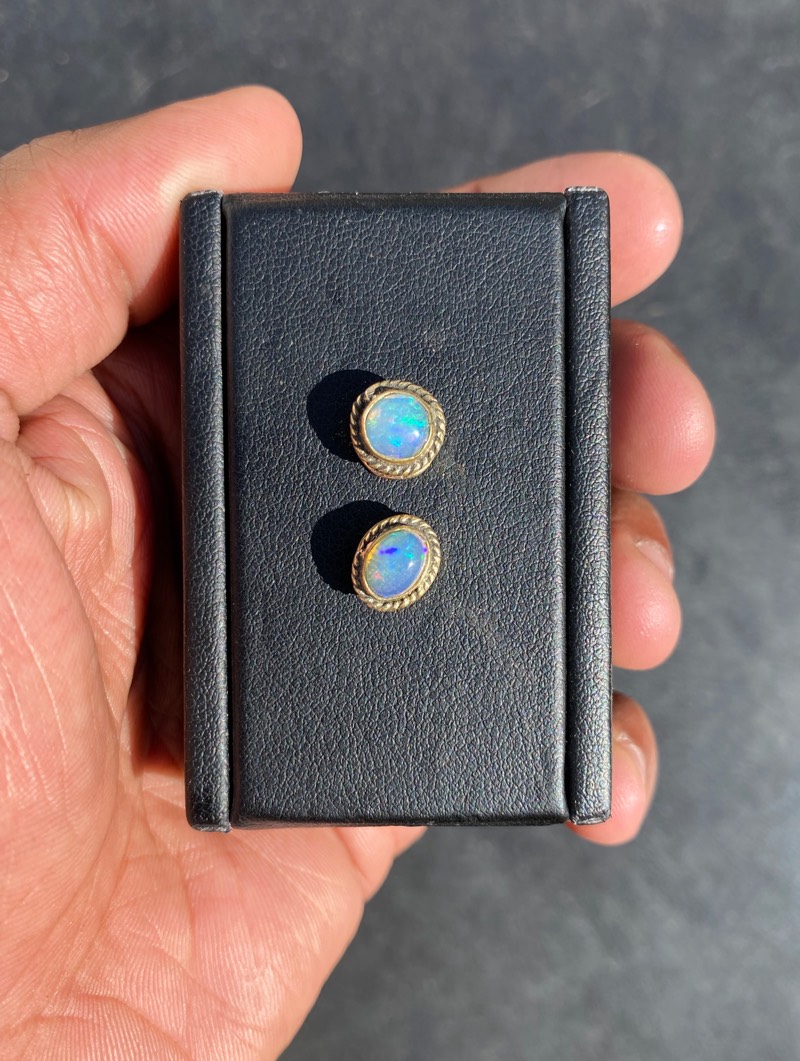


As you already know, opal is a stone about which I can boast of having extensive knowledge, as it is one of the stones in which I invest considerable capital each year, and it is also one of the stones I most enjoy having in stock, as I obtain qualities that are not seen in the market and I feel deeply grateful to be able to offer this to my clients.
It should be said that opal is not a mineral, it is hydrated silica that we can classify as a mineraloid. It has a high water content, which can vary between 3% and 21%, depending on the variety of opal and environmental humidity.
SiO2•nH2O.
This mineral drives many people crazy, as it is somewhat difficult to understand qualities, because in the case of opal it is not always higher quality pieces that present greater opalescence, but you also have to take into account the density of this material. We are going to explain everything in detail below. On this page I will only talk about Ethiopian Opal.
Let us learn about all the imitations and treatments that exist for Ethiopian opal. As I mentioned to you earlier, here we will delve into Ethiopian opal. If we go to other varieties of opal, Australian opal or Mexican opal, we can find other treatments and imitations.
OPALINE: I think this imitation is already fairly well known in the market, although at one time many people were deceived by this resin. Despite being a synthetic material, we can often find it described on the Internet as a mineral, and we can even read some articles about its metaphysical energy.
AURA OPAL: this is also a synthetic material, although unlike opaline, this is created in the laboratory through chemical processes similar to the natural formation of opal. The lowest qualities of Aura opal can be identified with great ease, but we also have a wide variety of qualities of this synthetic opal in the market, in some cases very difficult to recognize.
OTHER VARIETIES: there are also other types of imitations, such as, for example, powder or sheets of natural opal mixed with resin or even synthetic opal shavings diluted in resin.
HEATING: Ethiopian black opal is always heat treated. The best qualities of opal are taken, which do not have as much risk of dehydrating, and are heated to 370° for a period of time. It should be noted that although it is heated opal, the best qualities are always chosen to proceed with this treatment, otherwise the material would crack. It is a mild treatment at very low temperature.
DYEING: we can find a wide range of colors in natural Ethiopian opal. These are stable colors and do not fade over time. We can find pinks, blues, blacks, greens, oranges, and practically any color we can imagine.
Opal has a truly surprising way of forming. At a geological level, it must have extraordinary conditions for it to form.
FORMATION IN UNDERGROUND LAYERS: this process takes place in underground layers of the earth through hydrothermal fluids rich in silica. This is why many times when we see opal in the rough, it reminds us of drops of solidified fluid. This takes place in volcanic zones, when those fluids fill cavities rising towards the earth’s surface.
It is important to note that opal originates only under very specific circumstances and can vary depending on the geographical area.
The large amount of water that makes up opal is what originates this great variety of colors when reflecting light.

Opal is a spectacular stone that gives incredible beauty to pieces, so much so that many times it can be suspicious or rejected by people who have less knowledge, as people who see them for the first time tend to think it is plastic.
Despite being a precious stone, it is so striking that people naturally distrust it. It is advisable to know well what this stone is and if possible to have a small piece of rough so that the client can see it in its natural form.
This is a topic you ask me about very frequently.
Opal is not a stone for application in daily-wear jewelry, as it is not advisable for it to be in contact with water, such as going to the beach, taking showers, washing dishes, and other tasks where they can be exposed to impurities or sudden changes in humidity.
The value of opal, like that of any other mineral, will always have an upward price chart, but opal can suffer large increases and decreases in its value. This is because in many cases Ethiopia prohibits the export of rough material, and the government imposes limited export restrictions, only allowing already worked pieces (cut and polished).
The price of opal increases drastically, depending on its size, as it is difficult to obtain large pieces in nature.
This means that an opal of a specific quality, weighing 1 g, has a specific price. If the size increases to 5 g, the price per gram will also be five times higher or similar.
Opal is a stone that needs to breathe.
To assess the quality of an opal, it will depend not only on its opalescence, but also on its density. Being a stone that contains a high percentage of water, opals hydrate and dehydrate depending on the climate of the place. When these have low density, they undergo changes more easily, and can even crack when exposed to the outdoors.
This is why we often see suppliers selling opals submerged in water or oil. This is what we call in gemology water opals. This quality of opal has geological value, but has no gemological value. This means it cannot be used as a gem.
This material will generally dry at an incredible speed if we take it out of the liquid, losing all its colors and cracking rapidly. This is because it is an opal with very low density, it has pores that are too large, which is why it dehydrates so easily.
Therefore, in the case of opal, we will not only assess its quality by its opalescence, but also by its density.
Opals, once extracted from the vein, must be stored for at least two years in caves or chambers created for this quarantine process. Once those two years have passed, we can separate the qualities and see with certainty which opals have gemological value and we can use for that purpose.
In many cases, demand for opal increases rapidly, so some warehouses do not wait for the material to pass quarantine before releasing it to the market.
This is extremely difficult to recognize, which is why you need to buy your opals from a trusted supplier.


