Free shipping to Spain on orders over €100
Spain: Free shipping on orders over €100 | Europe: Free shipping on orders over €150


Today we’re going to talk about spinel, a gemstone that for decades remained in the shadow of other, more commercial stones, but is now experiencing a remarkable resurgence in the professional sector. In recent years, the scarcity of certain corundums and the rediscovery of historically significant specimens have placed spinel at the center of high-end jewelry.
Many jewelers are once again incorporating it into their collections because of its hardness, crystalline purity, and exceptional color range. If you would like to check availability for professional use:
https://samsaragemstones.com/comprar-piedra-natural/espinela/
Spinel has historically been mistaken for ruby because of its intense red color. In fact, some of the most famous red stones in royal crowns turned out to be spinels rather than rubies following modern gemological analysis.
In today’s market:
– High-saturation red spinel is becoming increasingly scarce.
– Cobalt-blue spinel has seen strong demand.
– Myanmar (Burma) continues to set the standard for quality.
Unlike corundum, spinel does not require standard heat treatments to enhance its color, which increases its appeal in the professional market when natural, untreated material is available.


Chemical composition: MgAl₂O₄
Crystal system: Cubic
Hardness: 7.5–8 on the Mohs scale
Density: 3.58–4.06
Luster: Vitreous
Transparency: Transparent to translucent
One of its major technical advantages is its cubic crystal system, which means it exhibits no birefringence and, therefore, displays cleaner optical behavior when faceted.
Most common colors:
– Deep red.
– Rosa.
– Blue.
– Gray.
– Black.
– Violet.
Distinctive characteristics:
– High vitreous luster.
– Excellent transparency at high quality levels.
– Occasional octahedral inclusions.
– Absence of pronounced pleochroism (unlike ruby).
The main producing countries are:
– Myanmar (especially Mogok).
– Sri Lanka.
– Tanzania
– Vietnam.
– Madagascar.
Burmese spinels are particularly prized for their vivid, saturated red color. Those from Tanzania and Madagascar offer a very wide range of colors, including shades of gray and violet, which are currently in high demand.
Differences in quality depend mainly on:
– Color saturation.
– Inner purity.
– Available sizes.
– Geological origin.
Artificial imitations:
– A synthetic spinel created in a laboratory.
– Synthetic corundum.
– Colored glass.
Treatments:
– Unlike rubies or sapphires, natural spinel is rarely heat-treated.
– Synthetic spinel has been produced since the early 20th century using the Verneuil method.
How to identify them:
– Synthetic materials typically exhibit characteristic growth curves.
– The glass has rounded bubbles.
– The analysis of inclusions is crucial.
For professionals, distinguishing between natural and synthetic spinel is key, especially when it comes to deep red colors, where there has historically been confusion.
Spinel is formed primarily in:
– High-temperature metamorphic environments.
– Crystalline marble rich in aluminum and magnesium.
– Secondary alluvial deposits resulting from erosion.
Its crystallization occurs under conditions of high pressure and temperature, where magnesium and aluminum react to form the characteristic cubic structure.
Its association with metamorphic marbles explains its frequent coexistence with corundum.
Thanks to its hardness and chemical stability, spinel is suitable for:
– Rings for everyday wear.
– Earrings.
– Pendants.
– Fine jewelry with faceted cuts.
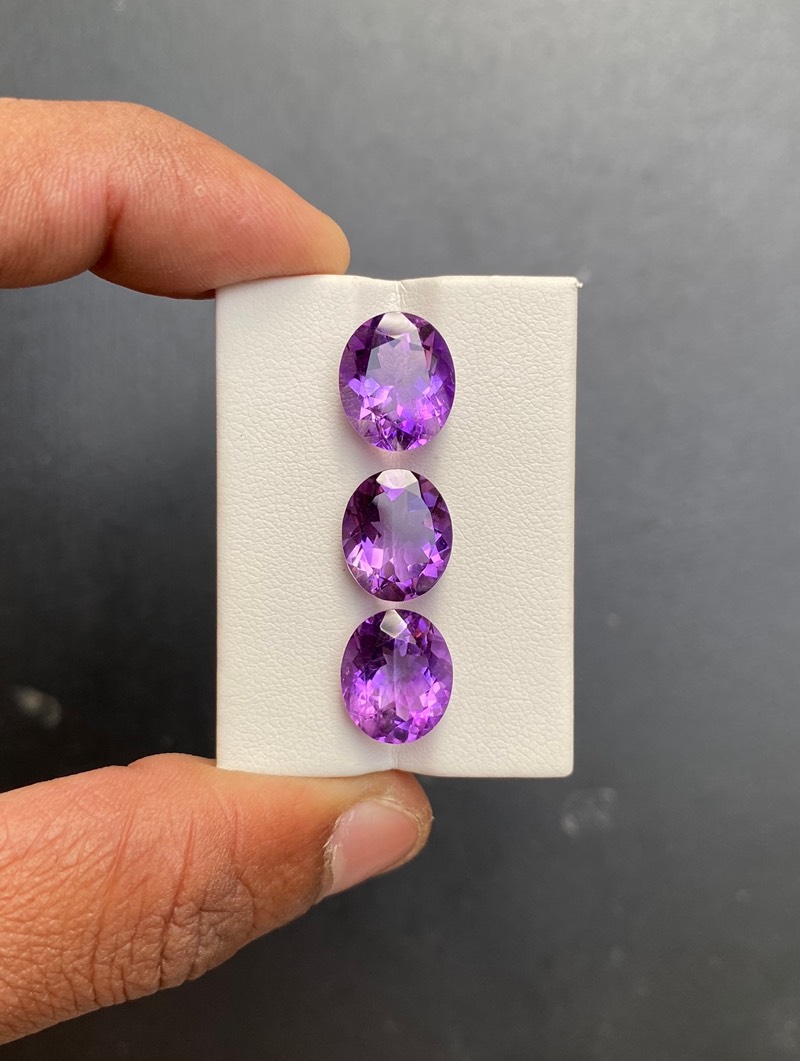
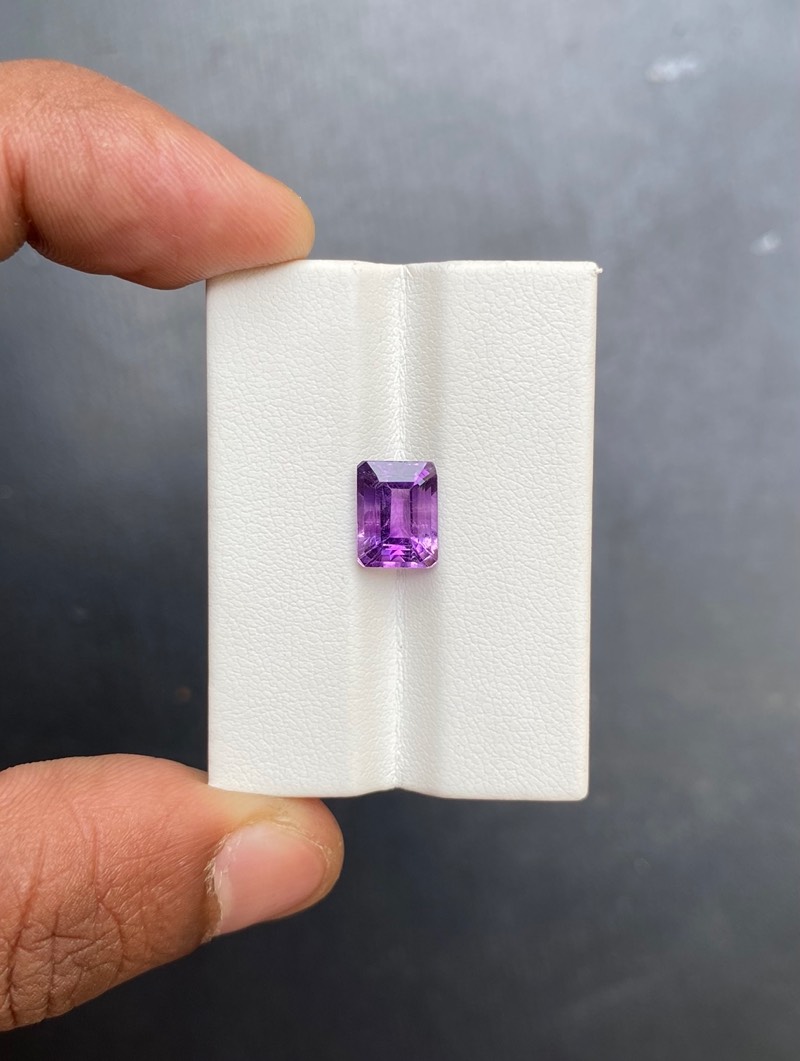
Its excellent optical properties make it a stone that looks stunning when cut into a brilliant, oval, cushion, or emerald cut.
In addition, the growing demand for natural, heat-treated gemstones is positioning spinel as a solid technical alternative to treated rubies and sapphires.
The value of spinel depends on:
– Color intensity and saturation.
– Inner purity.
– Size in carats.
– Origin.
– Lack of treatment.
Deep red spinels, especially those from Myanmar, are the most highly valued. Natural cobalt-blue spinels with good transparency also command high prices in the professional market.
The fact that many natural spinels do not require heat treatment increases their appeal to collectors and high-end jewelry designers.
Practical recommendations:
– Evaluate color under neutral light.
– Check saturation without excessive darkening.
– Examine inclusions under a 10x magnifying glass.
– Check whether it is natural or synthetic.
For more information on technical analysis criteria, see:
https://samsaragemstones.com/informacion-gemologica/que-es-la-gemologia-2/
Spinel is a gemstone that combines history, technical stability, and an exceptional range of colors. Its durability, luster, and abundance of untreated specimens make it an increasingly popular choice among professional jewelers.
Incorporating spinel into a collection not only adds color diversity but also ensures gemological consistency and durability. As always, the key lies in selecting verified natural material and working according to rigorous technical standards.